Exploring the Versatility of Isometric Object Collections and Diff in Modern Design
Isometric design has become a cornerstone in modern digital illustration, especially in web and graphic design. Among the most valuable tools for designers are collections of isometric objects and the Diff method, which together offer a streamlined approach to creating visually engaging and technically precise graphics. These resources are not only aesthetically pleasing but also functionally adaptable, making them ideal for a wide range of design applications.
Understanding Isometric Object Collections
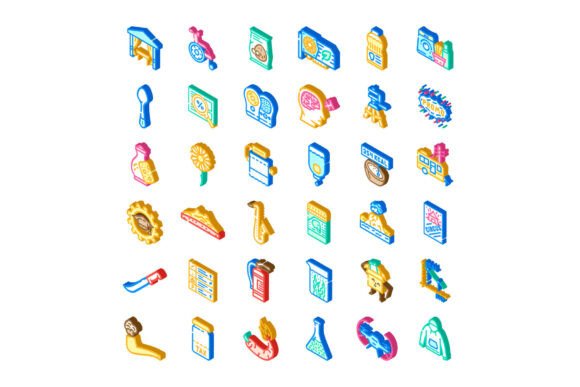
An isometric object collection is a set of vector-based icons or illustrations rendered in an isometric perspective. This style mimics a 3D appearance using 2D elements, typically drawn at 30-degree angles to create a sense of depth without perspective distortion. These collections often include a variety of objects such as tools, equipment, symbols, and abstract concepts, all unified by a consistent visual language.
Designers use these collections to build complex scenes, infographics, user interfaces, and even full illustrations. Each object is usually modular, allowing for easy assembly and customization. Whether it's a wrench in a mechanical toolkit or a building in a cityscape, isometric objects can be layered and arranged to convey spatial relationships and narrative context.
The Role of Diff in Design Workflow
The term Diff refers to a method or tool used to identify differences between versions of files, particularly in design and development environments. When applied to isometric object collections, Diff can streamline the revision process by highlighting changes made to individual icons or entire scenes. This is especially useful when working in collaborative settings or when iterating on a design over multiple versions.
For instance, if a designer updates the color palette of a set of isometric icons, using a Diff tool allows them to quickly see which elements were modified. This not only improves version control but also enhances communication among team members by making changes more transparent and easier to review.
Why Isometric Design Matters in Today’s Visual Landscape
In a digital world that increasingly favors clarity and minimalism, isometric design stands out for its ability to convey complexity without clutter. Unlike flat design, which can sometimes feel too simplistic for detailed explanations, isometric illustrations offer a richer visual narrative while maintaining a clean aesthetic.
- Scalability: Vector-based isometric icons can be scaled without losing quality, making them suitable for both small mobile screens and large billboards.
- Consistency: Pre-built collections ensure that all visual elements share the same style, reducing the need for manual adjustments.
- Engagement: The pseudo-3D effect adds depth and realism, which can help users better understand spatial relationships in diagrams and infographics.
Applications Across Industries
Isometric object collections are not limited to any one industry. Their flexibility makes them suitable for a broad range of applications:
- Education: Teachers and instructional designers use isometric graphics to explain complex systems, from biological processes to engineering concepts.
- Technology: Software companies integrate isometric icons into dashboards and help guides to illustrate features and workflows.
- Healthcare: Medical infographics often use isometric visuals to depict procedures, equipment, and anatomical structures in a simplified format.
- E-commerce: Online retailers use isometric product mockups to showcase items in a realistic yet stylized manner.
How to Choose the Right Isometric Collection
Not all isometric object sets are created equal. When selecting a collection, consider the following factors:
- Theme and Scope: Ensure the collection covers the objects or concepts relevant to your project. Some sets are general-purpose, while others are industry-specific.
- Customizability: Look for collections that allow for easy color and style adjustments to match your brand or design system.
- File Format: SVG is ideal for scalability, while PNG may be more suitable for quick integration into web or print projects.
- Licensing: Always verify the usage rights, especially if you're using the icons in a commercial context.
Integrating Diff into Your Design Process
Using Diff tools effectively requires a structured approach to version control. Here’s how designers can incorporate Diff into their workflow:
- Track Changes: Use version control systems like Git to store design files and track modifications over time.
- Visual Comparison: Tools like Figma or Sketch offer built-in comparison features that act as visual diffs, showing changes between design iterations.
- Collaboration: Share diffs with stakeholders to highlight updates without requiring them to review entire files from scratch.
Real-World Examples of Isometric Design in Action
Many well-known brands have embraced isometric design to enhance their visual communication. For example, Google uses isometric illustrations in its Material Design guidelines to explain UI components in a more engaging way. Similarly, Microsoft’s Fluent Design system incorporates isometric elements to depict digital spaces and interactions.
In the education sector, platforms like Khan Academy and Coursera use isometric infographics to break down complex subjects into digestible visuals. These examples highlight how isometric design isn’t just a stylistic choice but a functional tool for enhancing user understanding.
Emerging Trends in Isometric Design
As design tools become more advanced, we’re seeing a rise in dynamic isometric elements—such as animated icons and interactive infographics. These trends are driven by the demand for more engaging digital experiences, particularly in web and mobile applications.
Additionally, the integration of AI in design workflows is making it easier to generate custom isometric assets on the fly. Some platforms now allow users to input text or data and receive isometric visuals as output, reducing the time and skill required to produce high-quality graphics.
Best Practices for Using Isometric Object Collections
To get the most out of your isometric design efforts, follow these best practices:
- Maintain Visual Consistency: Stick to one collection or ensure that multiple sets are stylistically compatible before combining them.
- Use Shadows and Lighting: Even in isometric design, subtle shading can enhance depth and realism.
- Balance Detail and Simplicity: Avoid overcomplicating scenes; the goal is clarity, not realism.
- Optimize for Performance: Large isometric illustrations can slow down websites, so compress files and use SVG sprites where possible.
Final Thoughts on Collection of Isometric Objects and Diff
Isometric design continues to evolve as a powerful tool for visual storytelling and functional design. Whether you're building a user interface, creating an infographic, or designing a presentation, leveraging a collection of isometric objects can significantly enhance both the efficiency and quality of your work. Meanwhile, integrating Diff into your design workflow ensures that revisions are clear, collaborative, and manageable.
As technology progresses and design demands become more complex, the combination of isometric illustration and intelligent version control will remain a vital part of the modern designer’s toolkit. By understanding and applying these concepts thoughtfully, professionals across industries can create more compelling, coherent, and effective visual content.