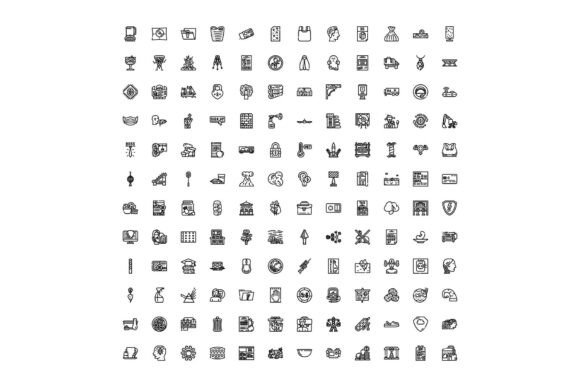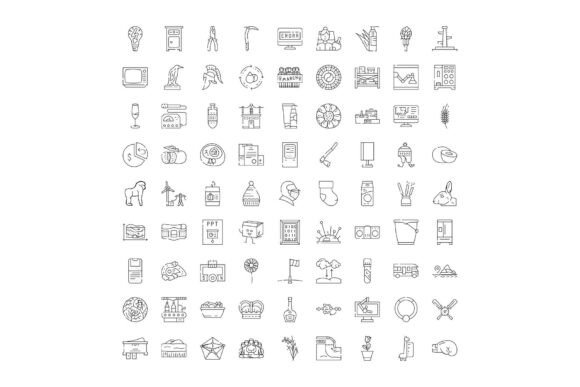
Diverse Line Art Icons Creating Business: A Visual Foundation for Modern Design
In today’s fast-paced digital environment, visual communication plays a crucial role in how businesses, creators, and audiences interact. One of the most versatile tools in this space is the use of line art icons—particularly those that span a wide range of themes from business and technology to food, nature, and everyday objects. These icons serve as a universal visual language, helping to convey complex ideas quickly and clearly across websites, apps, presentations, and marketing materials.
Why Line Art Icons Matter in Business and Design
Icons are more than decorative elements; they are functional tools that enhance user experience and streamline communication. Line art icons, especially in outline or transparent formats, offer a clean, minimalist aesthetic that adapts well to different design systems and brand identities. Their simplicity makes them easy to scale, recolor, and integrate into diverse layouts without overwhelming the viewer.
For businesses, these icons provide a consistent visual tone that supports branding efforts. Whether used in dashboards, mobile apps, infographics, or landing pages, they help guide users through interfaces with clarity and efficiency. This is especially important as attention spans shorten and users expect intuitive navigation and visual cues that make sense at a glance.
Adapting to Modern Workflows and User Expectations
As digital platforms evolve, so do the expectations of users and the demands placed on designers. Modern workflows require assets that are not only visually appealing but also flexible and reusable. Transparent outline icons fit this need perfectly—they can be layered, combined, and customized without losing quality or clarity.
Designers working across tools like Figma, Adobe XD, Sketch, or Canva benefit from having access to a well-organized icon library. These icons can be mixed and matched to represent a variety of concepts, from project management and data analytics to health and wellness, all while maintaining a cohesive visual style. This adaptability makes them especially valuable in fast-moving industries like tech startups, e-learning, and remote collaboration tools.
The Rise of Multi-Concept Icon Collections
Icon collections that span business, technology, food, nature, and everyday objects reflect a growing trend toward holistic design. As brands aim to communicate across a broader range of topics—whether through blog illustrations, social media graphics, or product features—having a diverse visual toolkit becomes essential.
For example, a productivity app might use icons related to time management, communication, and task tracking. A food delivery platform could benefit from a mix of icons representing meals, delivery logistics, and user profiles. A sustainability blog might pull from nature and eco-friendly themes to reinforce its message. These varied applications show how a single icon set can support multiple industries and use cases.
How Icon Design Reflects Changing Lifestyles and Technology
The increasing popularity of line art icons aligns with broader shifts in lifestyle and digital behavior. With more people working remotely, shopping online, and relying on mobile apps for daily tasks, the demand for clear, intuitive visual communication has never been higher. Icons help bridge language barriers and reduce cognitive load, making digital experiences more inclusive and accessible.
Technological advancements have also played a role in the evolution of icon design. Vector-based formats and scalable SVGs allow icons to maintain quality across devices and screen sizes. Transparent backgrounds make it easier to layer icons over images or color gradients without visual interference. These technical improvements support the growing need for responsive, adaptive design systems that work seamlessly across platforms.
Practical Benefits for Designers and Businesses
For professionals in graphic design, UX/UI, marketing, and content creation, having access to a high-quality icon library can significantly streamline workflows. Instead of designing icons from scratch or searching for compatible visuals across multiple sources, creators can rely on a unified set that ensures visual consistency and saves time.
- Efficiency: Ready-to-use icons reduce the need for custom illustration, allowing designers to focus on layout, typography, and interaction.
- Consistency: A cohesive icon set maintains a unified look and feel across digital products and marketing materials.
- Scalability: Transparent outline icons are easy to resize and adapt for different screen resolutions and formats.
- Cost-effectiveness: Licensing a comprehensive icon collection is often more affordable than commissioning custom illustrations.
Choosing the Right Icon Collection
Not all icon sets are created equal. When selecting a collection of line art icons for business or creative use, consider the following factors:
- Comprehensiveness: Does the collection cover a wide enough range of topics to support your current and future projects?
- Style Consistency: Are all icons designed in the same stroke weight, curvature, and perspective to ensure visual harmony?
- Licensing: Does the license allow for commercial use, modification, and redistribution across platforms?
- File Formats: Are SVG, PNG, and vector formats available for flexibility in different design tools?
Creators should also look for icon sets that are regularly updated and maintained. As new technologies and trends emerge, having access to fresh, relevant icons helps keep visual content current and engaging.
Real-World Applications Across Industries
From startups to enterprise companies, line art icons have become a staple in modern design. Here are a few examples of how different industries are putting them to use:
- E-commerce: Online retailers use icons to represent product categories, shipping options, and customer support features, improving navigation and user trust.
- Education: Learning platforms incorporate icons to illustrate course topics, progress indicators, and interactive elements, making educational content more engaging.
- Healthcare: Medical apps and websites use icons to explain procedures, medications, and wellness tips in a clear, approachable way.
- Finance: Banking and fintech services rely on icons to represent transactions, security features, and account management tools.
These examples highlight how line art icons contribute to both function and aesthetics, helping brands communicate effectively with their audiences.
Looking Ahead: The Future of Icon Design
As design tools become more accessible and user expectations continue to rise, the role of line art icons in digital communication will only grow. Future trends may include greater customization options, integration with AI-assisted design tools, and increased emphasis on inclusivity and accessibility in icon representation.
Designers and businesses that embrace these changes early will be better positioned to create intuitive, visually compelling experiences that resonate with global audiences. The key is to stay adaptable—choosing icon sets that can evolve alongside shifting design standards and user needs.